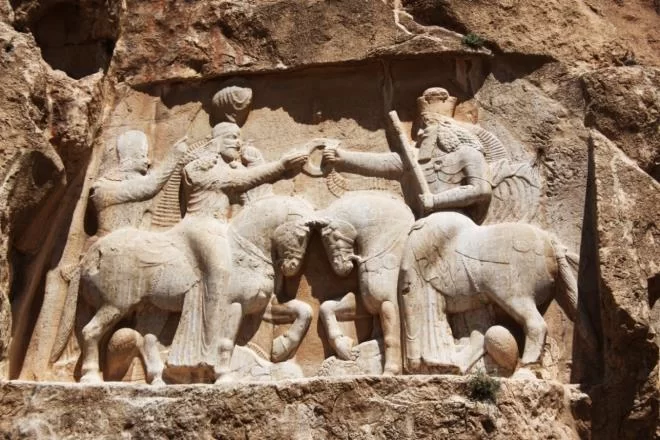
The World's First Feast of Nowruz
Nowruz is a traditional New Year or spring holiday celebrated by Afghans, Anatolian Turks, Albanians, Azeris, Iranians, Georgians, Karakalpaks, Kazakhs, Kyrgyz, Kurds, Uzbeks, Tajiks, Turkmens and Zazas. Nev (new) means ruz (day), meaning "new day". Spring is innovation, activity and vitality. It is the end of the monotony of the winter sloth.
Nowruz, which is mentioned in Iranian sources, represents the first day of the year according to the Iranian and Baha'i calendars. In today's Iran, Nowruz is celebrated as a holiday of Islamic origin. Some communities celebrate Nowruz on March 21, while those in the Northern Hemisphere celebrate it on March 22 or 23, which represents spring. It is a day celebrated as a holy day in Zoroastrianism and Baha'is. It is believed that the Nowruz feast in the Kurds is based on the Legend of Blacksmith Kawa in Kurdish and Iranian mythology. It is celebrated as the arrival of spring in Anatolian and Central Asian Turkish peoples.
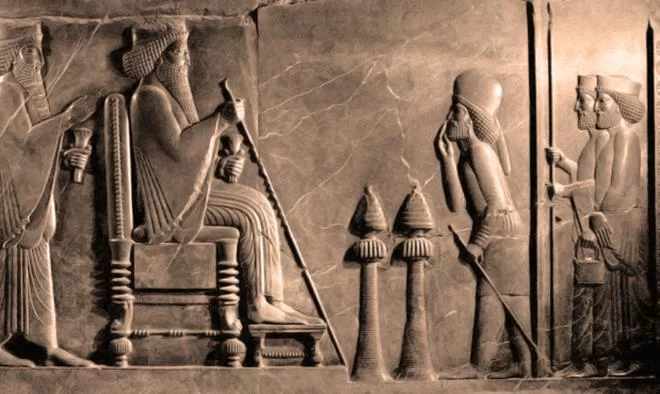
Nowruz dates back to the days just before the end of the Ice Age, that is, 15,000 years ago. The legendary Persian King Jamshid represents the transition of Indo-Iranians from hunting to animal husbandry and settled life. In those ages, it was more vital in human life than it is today, and everything related to life was very closely related to the four seasons. Spring coming after a steep winter, greening plants, awakening of flowers in nature meant a great opportunity and abundance for humanity. It is said that the person who started the celebrations during this period was King Jamshid.
Zoroaster, one of the architects of Iranian cosmology and the Prophet of Zoroastrians, is the person who institutionalized many festivals. Nowruz is one of the holidays institutionalized by "perhaps" Zoroaster.
The word Nowruz was used for the first time in history by M.S. It is mentioned in the records of the Persian Empire in the 2nd century. Nevruz is also celebrated in other Turkish states and communities. It is celebrated on 21 March every year from the 8th century BC to the present day by all Turkish tribes and communities from East Turkestan to the Balkans.
Since 1995, it has become a day accepted as a holiday by the Republic of Turkey. Nevruz, which was celebrated as a national holiday in the Seljuk and Ottoman Empire, was celebrated by feasting on poems called Nevruziye and feasts.
Kurds celebrate Nowruz on March 21, 22 and 23, which is also featured in the works of many Kurdish poets and writers. Along with this holiday, Kurds mostly gather in the outskirts of the city and in open areas to celebrate the arrival of spring. Women wear colorful dresses and cover their heads with shimmering veils decorated with sequins. The congregation lights a great fire and celebrates this holiday with great enthusiasm by dancing around it or jumping over it.
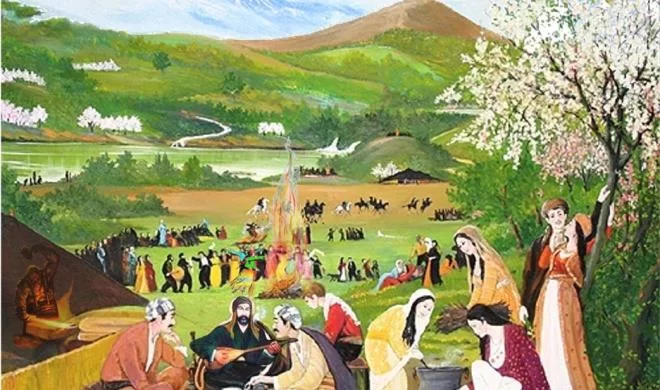
Nowruz rituals
The rituals of Nevruz Festival, which is celebrated in Central Asia and various geographies, especially in Anatolia, are passed down from generation to generation.
In some beliefs, those who want to enter the day of the new year free from their sins, jump from the fire. Bathing and jumping out of the water are also customs for purification. Jumping from fire and water draws attention as one of the common elements of all Nowruz celebrations.
The "Nowruz table", which is set up specially for this day and includes 7 kinds of food, is seated collectively. At the rich table set up for the year to pass with abundance and abundance, everyone eats every meal and wishes the year to pass in that comfort.
Semeni tradition has been kept alive for many years. In this tradition, barley and wheat are germinated in containers and placed on the tables before Nowruz, and a fruitful year is wished for in agriculture.
People who welcome the new year by wearing new clothes clean their houses, repair and whitewash the destroyed places, if any. Thus, people take care that everything is new in the new year.
Visiting the cemetery is one of the common rituals in Nowruz. This ritual is seen as the meeting of ancestors and children. Ancestors are respected during grave visits.
Breaking eggs is also common in Nowruz celebrations. Eggs meaning reproduction are dyed and hatched for abundance. In addition, sports competitions are held, songs are sung, danced, poets recite poetry.